Written by Abigail Ellis, Senior Physiotherapist, Bury Care Organisation, Bury Living Well Centre 
Physiotherapy is defined as the practice that helps to restore movement and improve function when someone is affected by injury, illness or disability.
This is done through a variety of widely accepted treatment modalities including exercise, the use of standing frames, walking aids and hydrotherapy. Historically, the adaptive trike has been viewed as a recreational and a non-essential activity for children with disabilities and yet for typically developing children learning to ride a bike is an integral milestone in their development. It is associated with significant health benefits [1-2] and is a great way to improve and challenge cardiovascular fitness, balance, co-ordination and strength. It can also help facilitate interaction, play and the development of new friendships. With all the fantastic benefits of riding a bike and the new advice from the Chief Medical officers to support disabled children and young people to be more physically active being released in 2022 [3], Jiraffe and the Bury Physiotherapy team set out to show the benefits of adaptive trikes in school settings for children with disabilities.
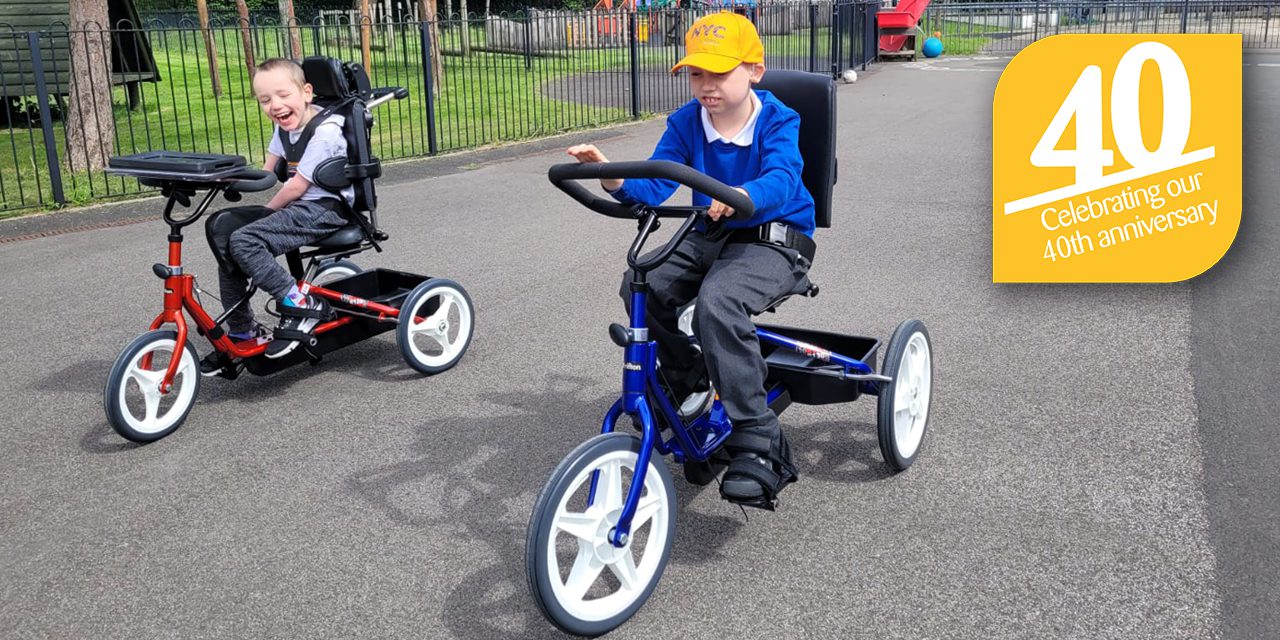
Harry and Brady have led the way in highlighting the benefits of adaptive trikes for children with all levels of physical disabilities. The results were incredible and for Brady they have changed the way that he will access the world around him but that’s another story! Keep an eye out for Jiraffe’s continuation of Brady’s story in the near future!
How the trikes are being utilised
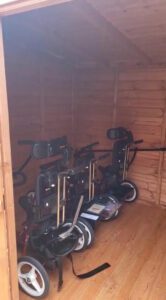
After the fantastic work with Harry and Brady, Millwood Special School have welcomed the addition of Jiraffe Adaptive Tricycles by Rifton and now have a collection of six adaptive trikes, kept in their brand new bike shed.
The pupils at Millwood can use the adaptive trikes as a whole class, individually as part of their Physiotherapy program or as part of a cycling club with other children using adaptive trikes or standard bicycles.
The children who access the trikes have a range of diagnosis/physical abilities including Autism and Down Syndrome, where they may benefit from supports for sensory feedback or just the comfort of the larger base of support, to children with unknown neurological and regressive conditions and Cerebral Palsy, where they may require the support of the laterals, harness and headrest. Whichever level of support is required, Millwood staff are trained to set up the trikes, under the guidance of the Physiotherapy team to give all children access to the adaptive trikes. As such, the adaptive trikes are creating a more inclusive environment within school!
Additionally, the adaptive trikes have facilitated the expansion of the cycling club allowing children with or without physical disabilities the opportunity to come together to explore and socialise. This can help to combat mental health difficulties through physical activity and social inclusion. [4-5]. This is vital as the NICE guidelines for children with Cerebral Palsy under 25’s recognise that there are ‘emotional and behavioural difficulties (for example, low self-esteem) that are reported in up to 1 in 4 children and young people with Cerebral Palsy [6]. Contributing factors can be related to ‘social factors, physical abilities, pain or discomfort’. The use of the trikes can help to combat some of these issues and improve the outcomes for the children we care for. 
The children’s physiotherapy primary goals may have a focus on reducing pain or improving function. Cycling assists with both, as physical exercises can improve pain associated with tone, constipation pain and help improve lung function. Cycling is also similar to walking, with the same muscle groups being recruited and requires reciprocal motor coordination [7-8] and as a result, could also be considered beneficial in improving gait.
Accessing an adaptive trike may address the physical goals of the child, but it also offers a more holistic approach to Physiotherapy, benefiting the children in many more ways than just focusing on their physical difficulties. The response of the parents has also been enthusiastic as they have seen the many benefits of the trikes for their children, and some are looking to self-fund or access charity funding to enable them to purchase a trike for home use.
Next steps
The Bury Physiotherapy team are looking to expand the use of adaptive trikes to other schools in Bury with the hope that other areas will reciprocate our passion and join us in our journey of providing all children with the opportunity of learning to ride a bike or trike as an integral part of their childhood development.
If you would like further information on Adaptive Tricycles available from Jiraffe, please contact a member of the Jiraffe team!
This guest blog is part of our 40 stories for 40 years’ series, celebrating our partnerships over the years. Click here to read more blogs in this series.