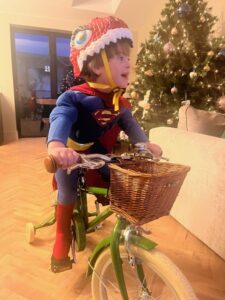
 Meet Bodhi. Bodhi is a fun loving 5-year-old with an infectious personality. He lives with his Mum, Dad and big sister Millie in the UK. He is a true comedian and loves nothing more than making people laugh.
In his mum Jenna words – ‘Bodhi is loving, caring and is a great friend. He goes to a mainstream school and is loved by all of his peers; it’s been commented on that it’s like taking a small celebrity to school!”
Bodhi is extremely active, he runs everywhere. He’s even signed up to do the Junior Great North Run in September – we potentially have a new superstar athlete in Bodhi!
He loves P.E at school, especially gymnastics. He likes to be outdoors and going for walks – he is a national trust park enthusiast.
 Playing football with his dad is his favourite activity. He’s an avid Liverpool FC fan and, as Jenna says, ‘he would live in his Liverpool strip if we would let him’. Sign him up soon Klopp and Southgate!
Bodhi has lots of other hobbies and interests. He enjoys anything to do with music and plays guitar with his dad, singing along to ‘You’ve Got a Friend in Me’. He is due to start Beavers soon and he can’t wait to learn new skills and make new friends.
Like any typical 5-year-old Bodhi loves to play. Playing in parks and going down slides, building towers taller than himself then knocking them down, and jumping is so much fun – ‘Maybe Peppa Pig has something to with that’ Jenna says.
Bodhi’s a great help at home and is as independent as possible. He gets ready in the morning putting on his own socks, pants and trousers, only needing a little help for his upper half. He’s still developing skills of course and with his determined character he’ll be dressing his top half independently in no time.
Bodhi also has burgeoning modelling career… As the face of Jenx Ltd products when he was younger, he helped show the features of the Atom and how it can be used as an effective postural support.
Jenna strongly agrees with the ‘End the Stereotypes’ theme for World Down Syndrome day 2024, and succinctly states:
“As parents our aim is to not put limitations on Bodhi and to allow him dream and aim for the stars.”
Did you assume that Bodhi is the independent, skilled, popular, intelligent and active young boy he is when you saw his picture in the Jenx Atom? ‘End the Stereotype’ is a really important theme – for children with Down Syndrome, and for all children with disabilities, particularly those who need postural care. We need to see and know the child, their capabilities, their interests, their aspirations – and not focus solely on their disability, impairments or their postural needs.